
The first room
Jason begins developing a participatory musical language based on permutation, improvisation, listening, and response.
The Bridge Institute is the nonprofit home of the Universal Language Room—its flagship participatory music experience. Together they turn a conviction about human worth into something people can experience.
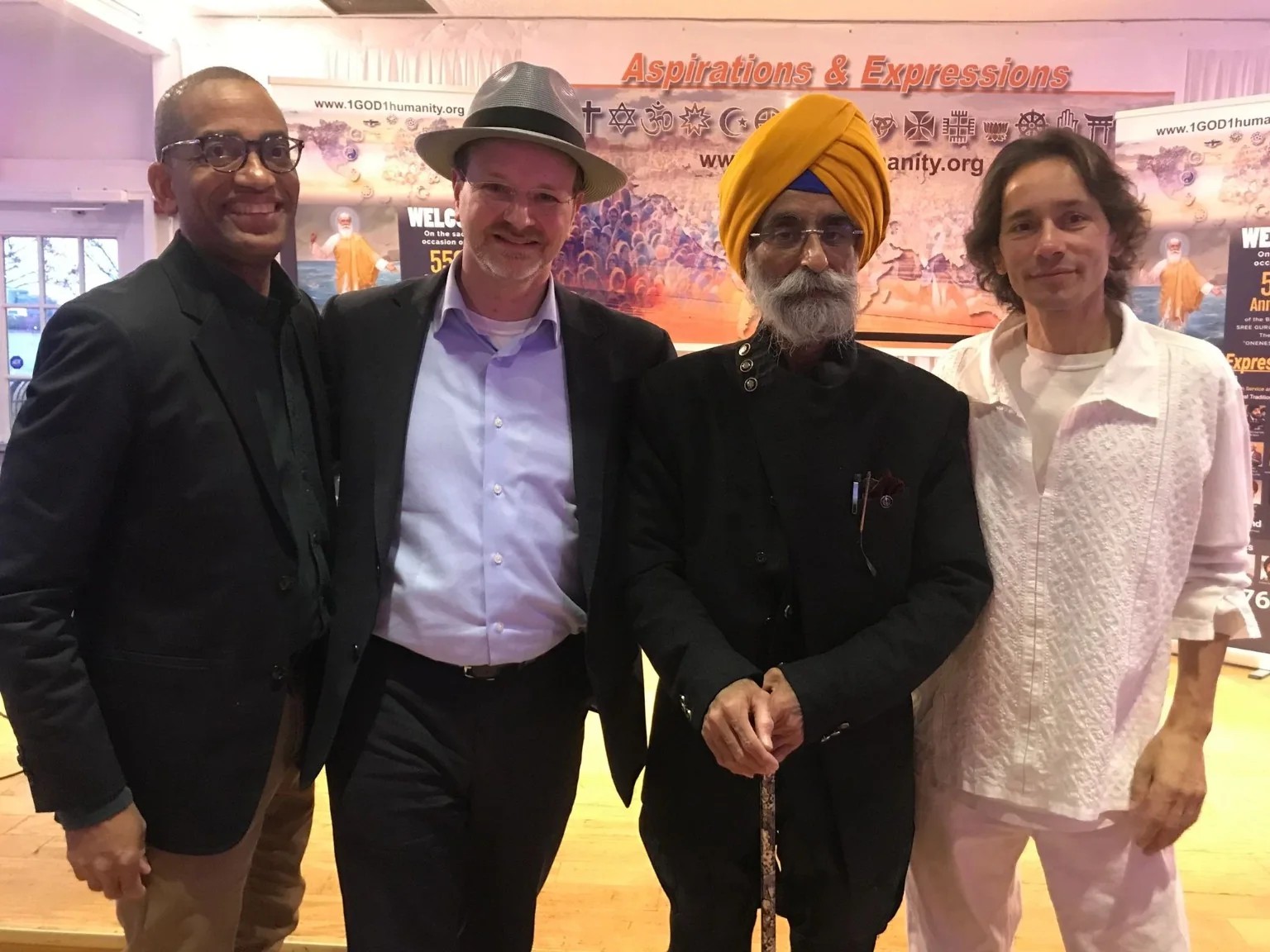
Jason began developing the Universal Language Room in New York City in 2004, asking whether a small musical vocabulary could help people communicate before expertise or argument determined who got heard.
The idea grew through improvisation, contemplative inquiry, interfaith relationships, and years of encounters with musicians and communities. Jason also leads Naqshon’s Leap, a multifaith music group based in Memphis.
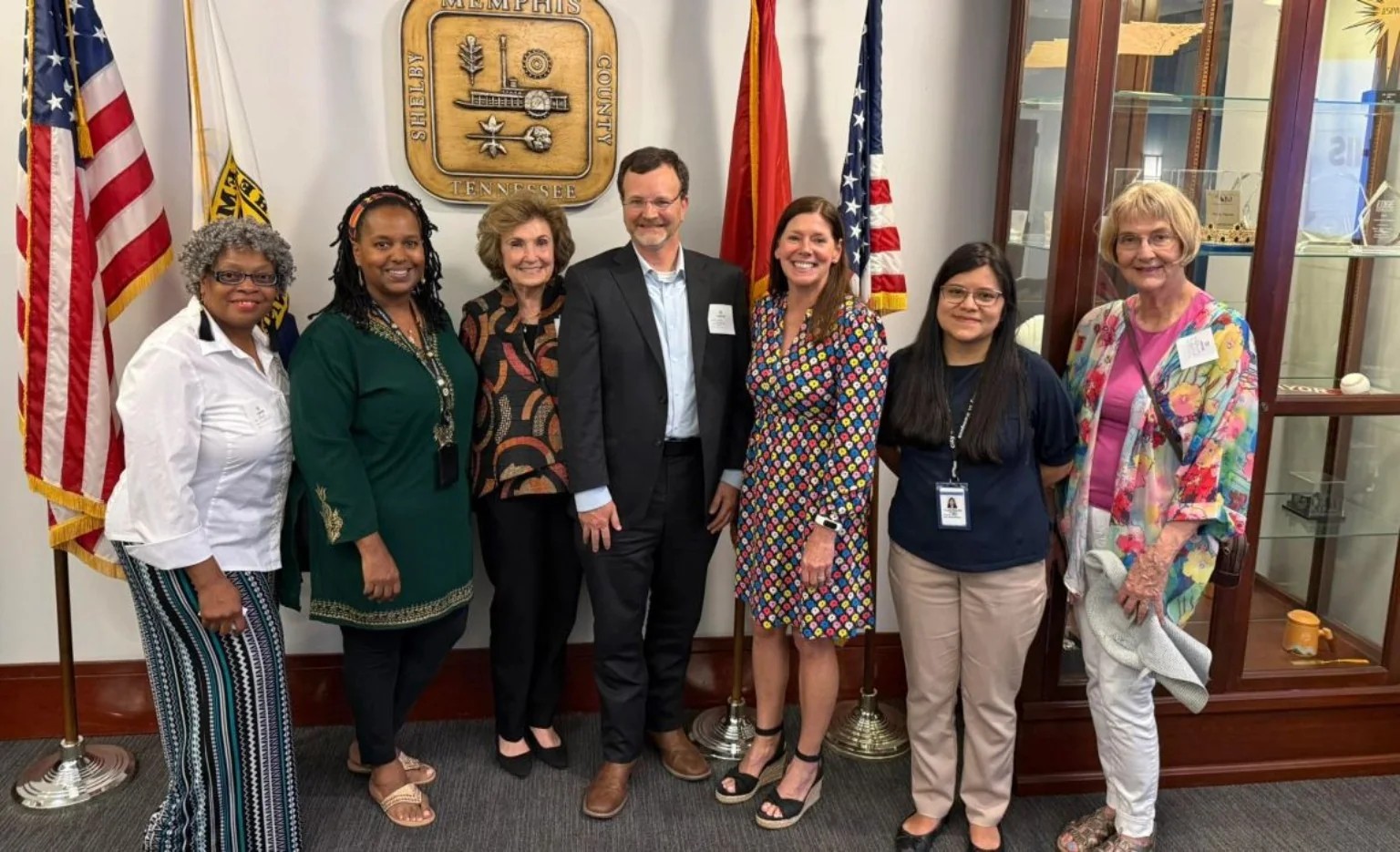
These photographs trace early rooms, collaborators, and Memphis community gatherings.
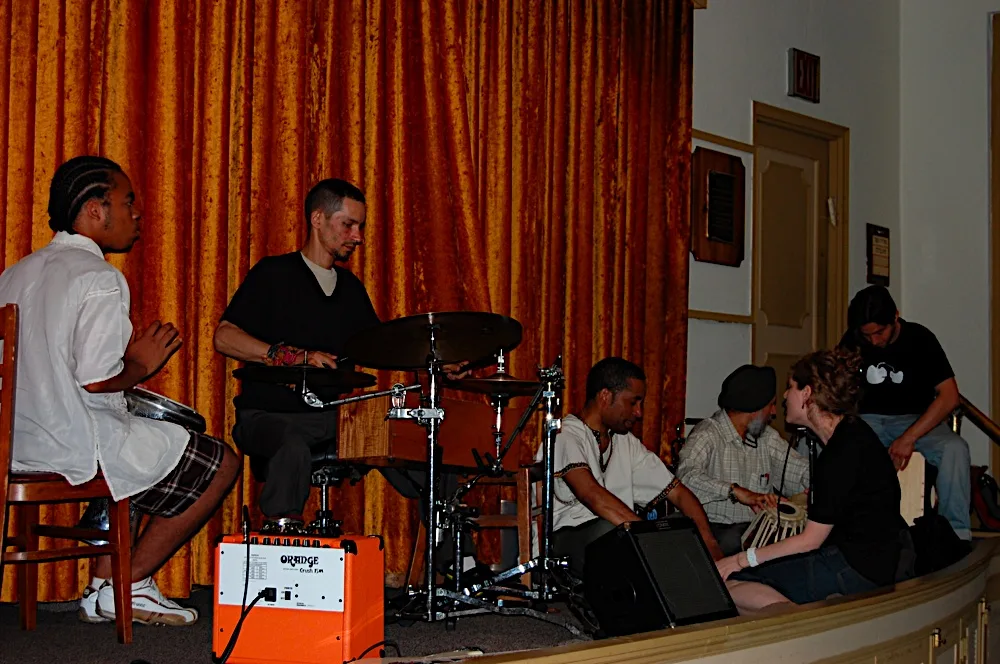
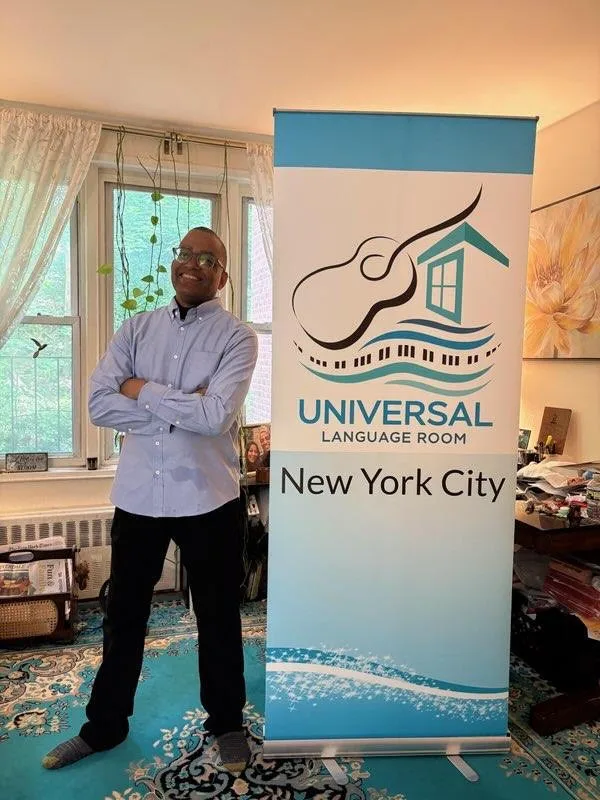
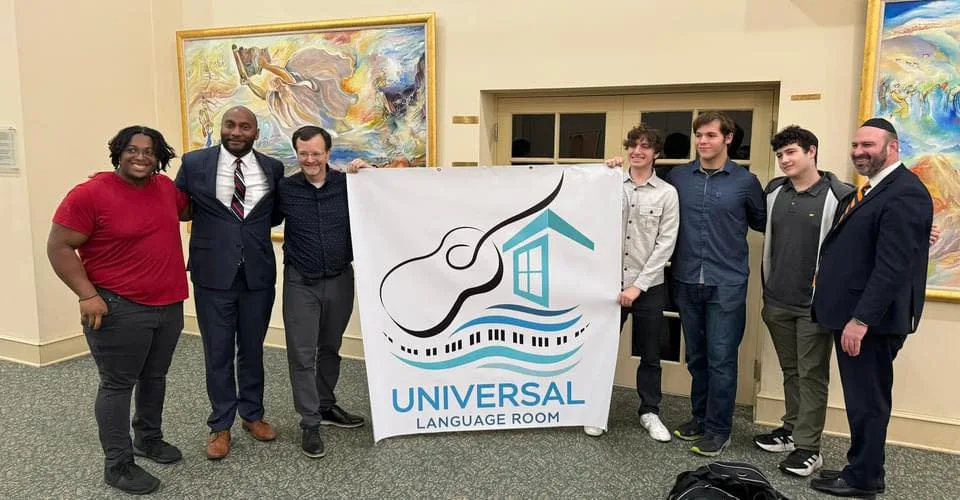
What began as a musical experiment grew into a nonprofit, research relationships, community programs, and collaborations shaped by one enduring question: how can distinct human voices belong without becoming the same?
Jason begins developing a participatory musical language based on permutation, improvisation, listening, and response.
Gilbert Smith and William Ruiz join the project. The Institute’s organizational beginnings trace to this period.
Programs, research, media, long-form conversations, interfaith events, and international musical collaborations become distinct expressions of the same mission.
The Institute’s history is not a solitary founder narrative. Early collaborators, musicians, community hosts, scholars, civic partners, and supporting organizations give the mission its public life.
An early collaborator who joined the project in 2006 and helped shape the Institute.
An early collaborator and percussionist whose handpan work demonstrates the musical framework.
Musicians and local leaders interpret the program through their own instruments, traditions, and relationships.
The Bridge Institute is rooted in Memphis, a city where music has long carried people across boundaries.
The Institute’s history here includes Universal Language Room sessions, a gathering at American Recording Studio with Institute board members and blues musician Blind Mississippi Morris, and a documentary program at Baron Hirsch Synagogue with Shelby County Mayor Lee Harris and Rabbi Ian Lichter.
These were not simply demonstrations of a musical system. They were attempts to create a different kind of room: one where people could encounter one another through participation while keeping their distinct voices.
Publicly named partners and collaborators reflect the range of communities that have helped give the mission a public life.