
Flagship program
Universal Language Room
A facilitated, participatory experience where people use simple rhythm and melody to practice listening, response, and shared creation.
See how it worksThe Bridge Institute • Memphis, Tennessee • ULR since 2004
The Bridge Institute brings people of different ages, backgrounds, and beliefs into one room to listen, respond, and create through simple musical exchange. No musical experience is required.
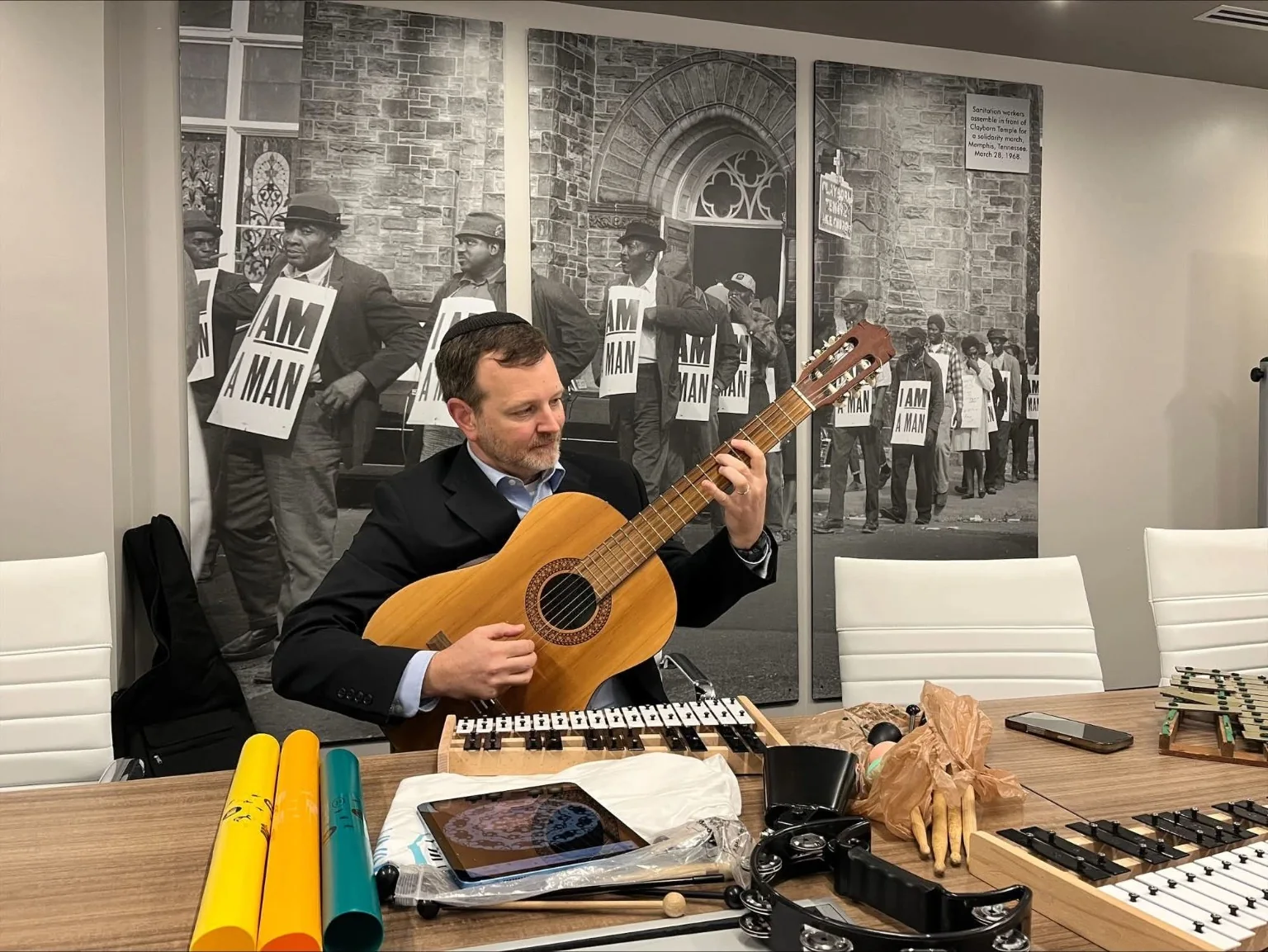
We begin with a simple conviction: every human life has sacred worth and every person is here for a reason. Music gives people a direct way to experience that truth together, before agreement and beyond explanation.
The goal is not to make everyone sound the same. It is to create enough trust, attention, and structure for each person to be heard without disappearing into the group.
Through shared musical experiences, public conversations, and research, the Institute explores what helps people truly listen to one another.
Flagship program
A facilitated, participatory experience where people use simple rhythm and melody to practice listening, response, and shared creation.
See how it worksCommunity programs
Collaborations with educators, faith communities, musicians, civic organizations, and local partners who adapt the program to their communities.
Explore programsIdeas & research
Ideas, interviews, and research exploring music, pattern, consciousness, dignity, and unity without uniformity.
Explore the ideas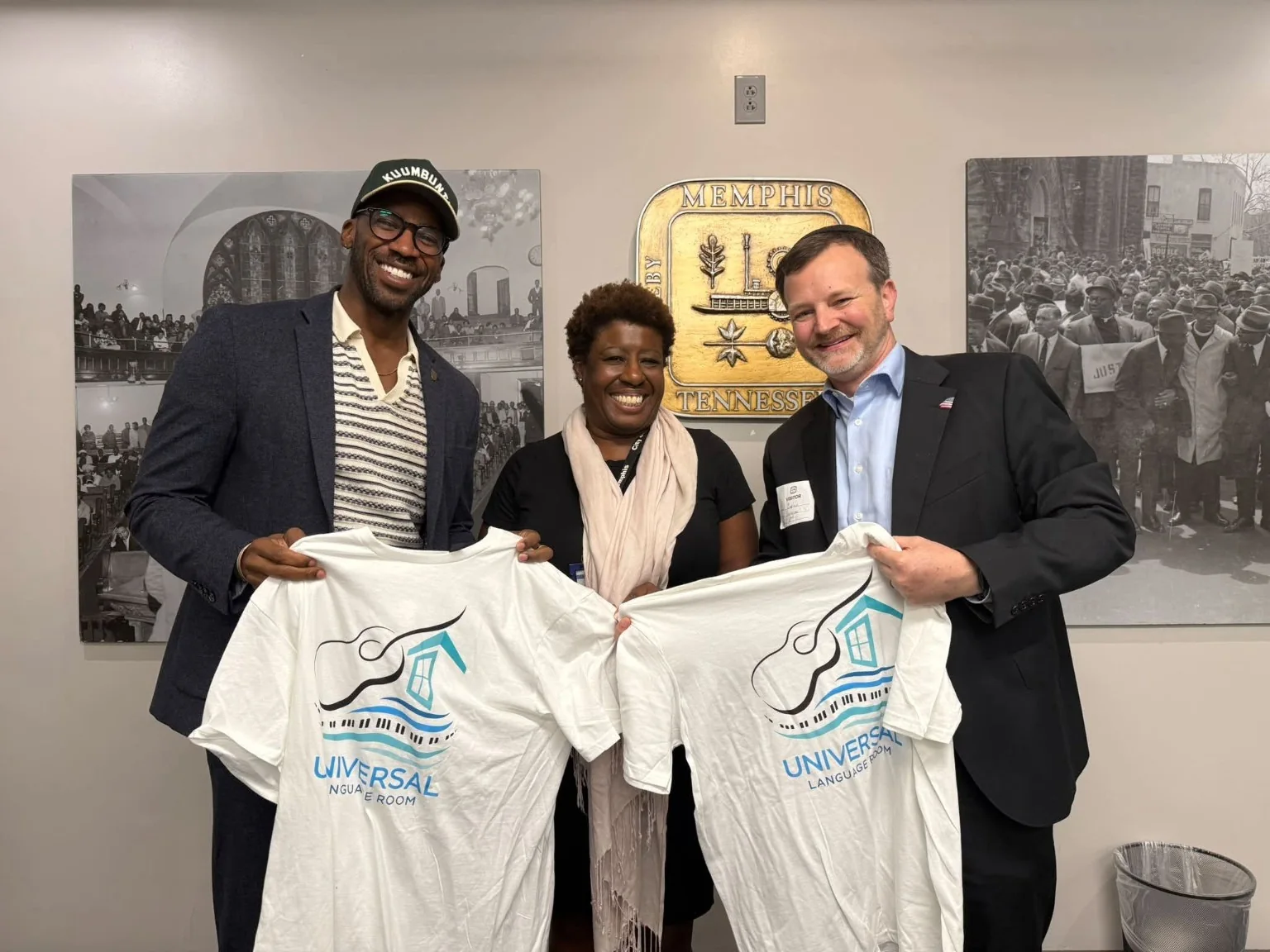
The Bridge Institute is based in a city where music, memory, faith, labor, and public life have long met in powerful ways.
The Universal Language Room brings a simple participatory structure into the places where people already gather: community organizations, schools, faith communities, civic settings, and shared public spaces.
Each setting changes the sound. The invitation stays the same: listen closely, contribute something of your own, and make room for what others bring.
Read the Memphis story →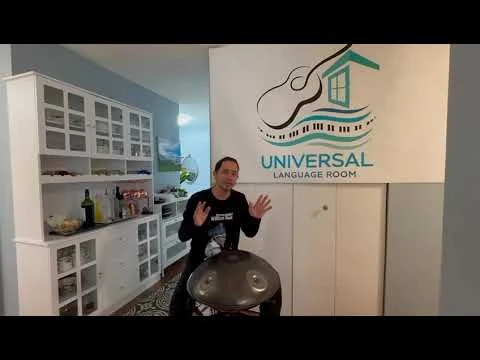
Each room is designed to lower pressure, protect individual expression, and help a group move from separate voices toward shared attention.
Each person contributes a short musical idea.
Participants listen closely enough to answer one another.
The group builds something no one could make alone.
Tzerufim is an interactive exploration of changing patterns through letters, symbols, images, rhythm, and optional sound. You choose a small set of elements, then watch and listen as the app permutes them into new sequences.
Inspired by tzeruf—the practice of combining and recombining letters associated here with Rabbi Abraham Abulafia—the app is intended to spark creativity and leave room for discovery. What emerges can become a starting point for music, art, movement, reflection, or another form of expression.
Opens tzerufim.art in a new tab.
The Institute’s history includes a legacy-site record of fifteen Universal Language Room programs, long-form conversations, civic recognition, peer-reviewed research, and international collaboration.
A 2020 peer-reviewed pilot studied the Universal Language Room in an interprofessional education setting. Students’ reflections emphasized nonjudgment, connection, enjoyment, and communication across disciplines.
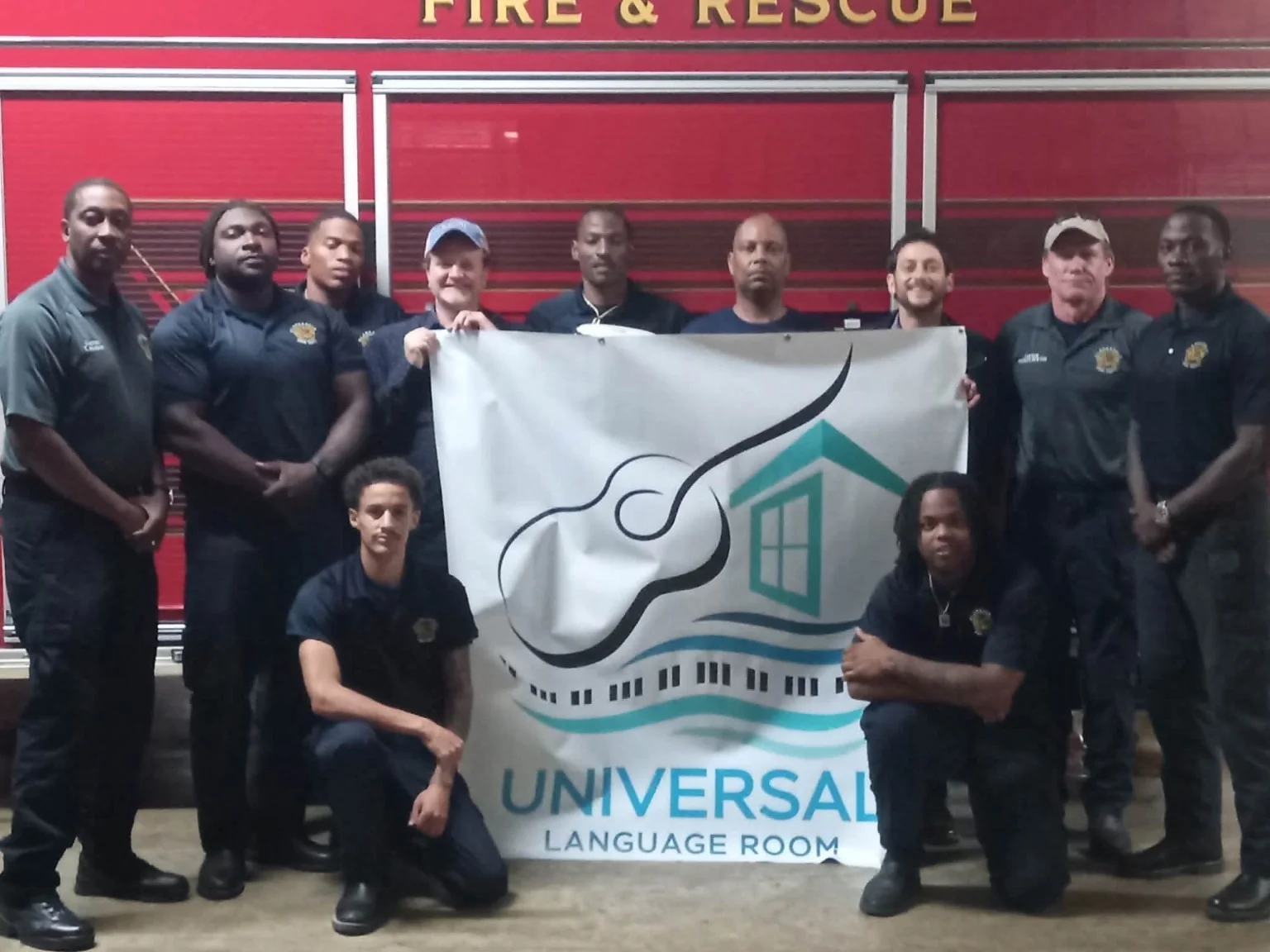
The room can move beyond arts spaces. It can be hosted by schools, community organizations, faith communities, civic groups, and public-service teams. The format stays accessible: simple instruments, clear facilitation, and no musical background required.
The Bridge Institute
Host a Universal Language Room, invite Jason Caplan for a talk or musical presentation, or help more communities experience the program.